Dior Uses Real Bees in Latest Campaign: How Organic Disruption Wins the Attention Economy
Stop treating luxury fashion campaigns like static product catalogs. In a fast-paced digital ecosystem where the average consumer scrolls through hundreds of meticulously photoshopped advertisements every day, polished perfection has lost its power to disrupt. Modern consumers no longer connect with sterile studio backdrops or overly engineered digital imagery; instead, they crave sensory, unpredictable storytelling that feels undeniably authentic. Brands that fail to innovate their visual delivery are quickly fading into background noise. Stepping forward to smash the mold, Christian Dior Couture’s latest summer campaign has abandoned the safety of pure CGI, choosing instead to use live, real-world elements to capture global attention.
Shot by the visionary photographer Charles Nègre, the stunning new visuals prominently feature real bumblebees crawling in-frame across Dior's most signature pieces. The house took a massive, inventive risk by introducing live insects to explore the delicate luxury textures of their collection, creating a striking contrast between the raw unpredictability of nature and the disciplined elegance of high fashion. Rather than dominating the scene, the bees interact directly with the luxury products—buzzing over vibrant leather bows, scaling pristine hardware, and walking along the brand's iconic texturing. It is a simple yet brilliantly executed concept that turns a standard fashion feature into a living, breathing work of art.
Why does this matter so deeply to brand marketing and the broader creator economy? Because it is a masterclass in thumb-stopping visual disruption. By integrating an element of organic unpredictability into the campaign frame, Dior has successfully engineered an authentic "pattern interrupt" on social media feeds. When a user scrolls past a luxury handbag and notices a real bumblebee slowly exploring the stitching, their brain instantly registers the anomaly, forcing them to pause, re-watch, and engage. For digital marketers and creators, the lesson is clear: true luxury and high engagement in 2026 aren't achieved by spending millions on flashy special effects—they are achieved by bringing raw, tactile, and highly unexpected realism back into your content production.
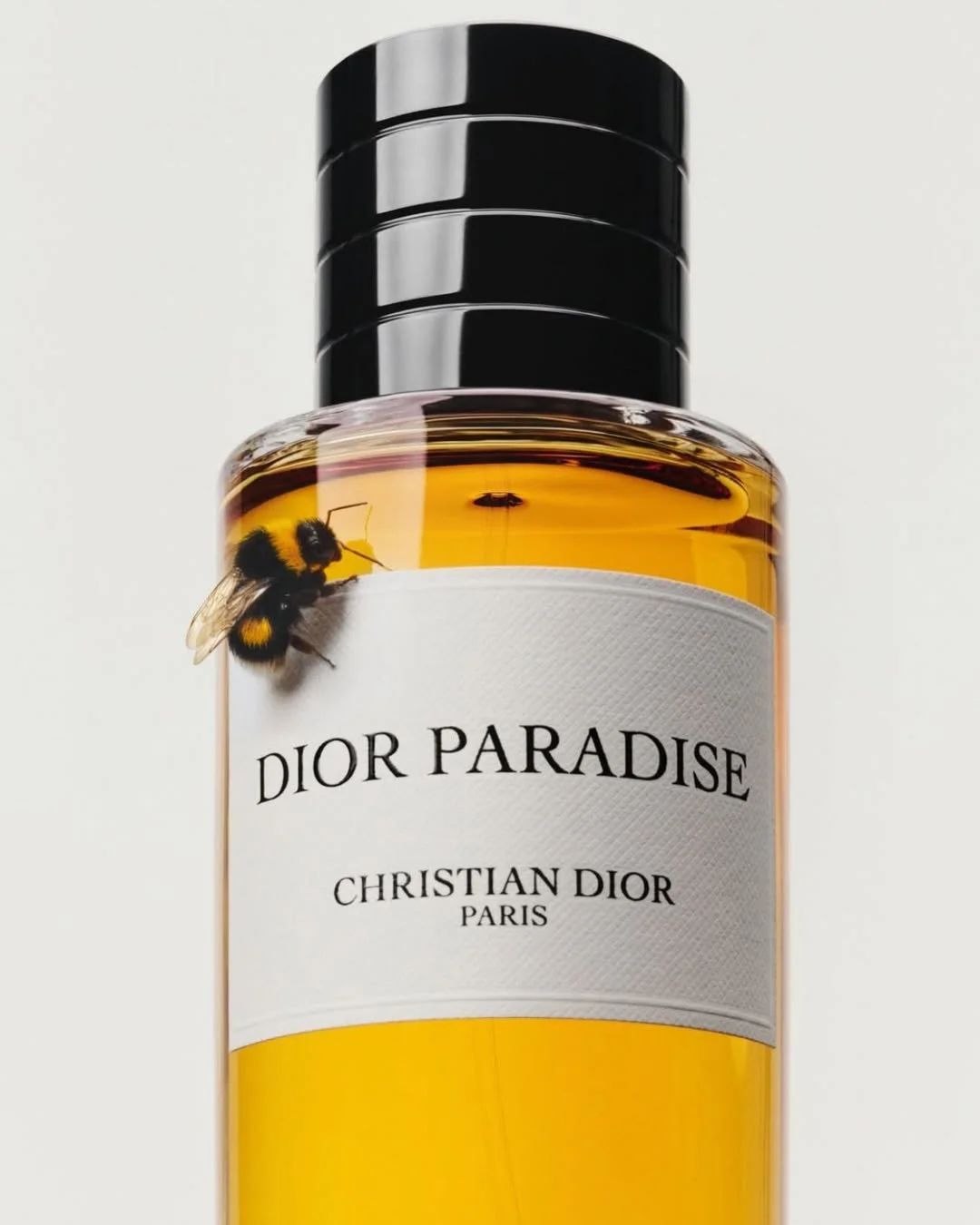
The psychological foundation behind this marketing approach is rock-solid. Audiences are inherently drawn to the intersection of danger, beauty, and precision, and the immediate viral traction of this campaign proves it. Consumers aren't just liking the posts; they are sharing the campaign assets, dissecting the behind-the-scenes logistics, and generating a massive wave of organic word-of-mouth discussion across platforms like LinkedIn and TikTok. By leaning into a concept that feels deeply sensory—almost allowing the viewer to hear the soft buzz and feel the delicate movement of the insect against the grain of the premium leather—Dior has elevated a commercial launch into a culturally relevant digital event.
If you want to leverage this exact creative strategy for your own brand or digital marketing campaigns, you need to start integrating organic variables into your production. Stop over-sanitizing your visual media; look for distinct ways to introduce real, living, or tactile elements into your product showcases that force a split-second pause from the viewer. Next, ensure your concept ties back to a foundational piece of your brand's heritage or identity—just as the bee honors Christian Dior’s historical archives and his personal reverence for the "little beehive" of his couture atelier—so the creative risk feels completely intentional rather than like a cheap gimmick. Finally, lean heavily into close-up macro cinematography that highlights raw textures and subtle movements, capturing the intricate details of your product to build an immediate, immersive sensory connection with your audience.