Heinz Didn't Buy the World Cup. It Bought a Coincidence.
Right now, in the middle of the World Cup quarterfinals, Heinz is all over the tournament conversation. It is not a sponsor. It never was.
Under FIFA's clean stadium rules, brands without a deal get covered up inside the venue. Tape over the label. Photos of taped-over Heinz bottles went around social media on their own. Heinz Canada saw them and started calling itself the unofficial stadium ketchup.
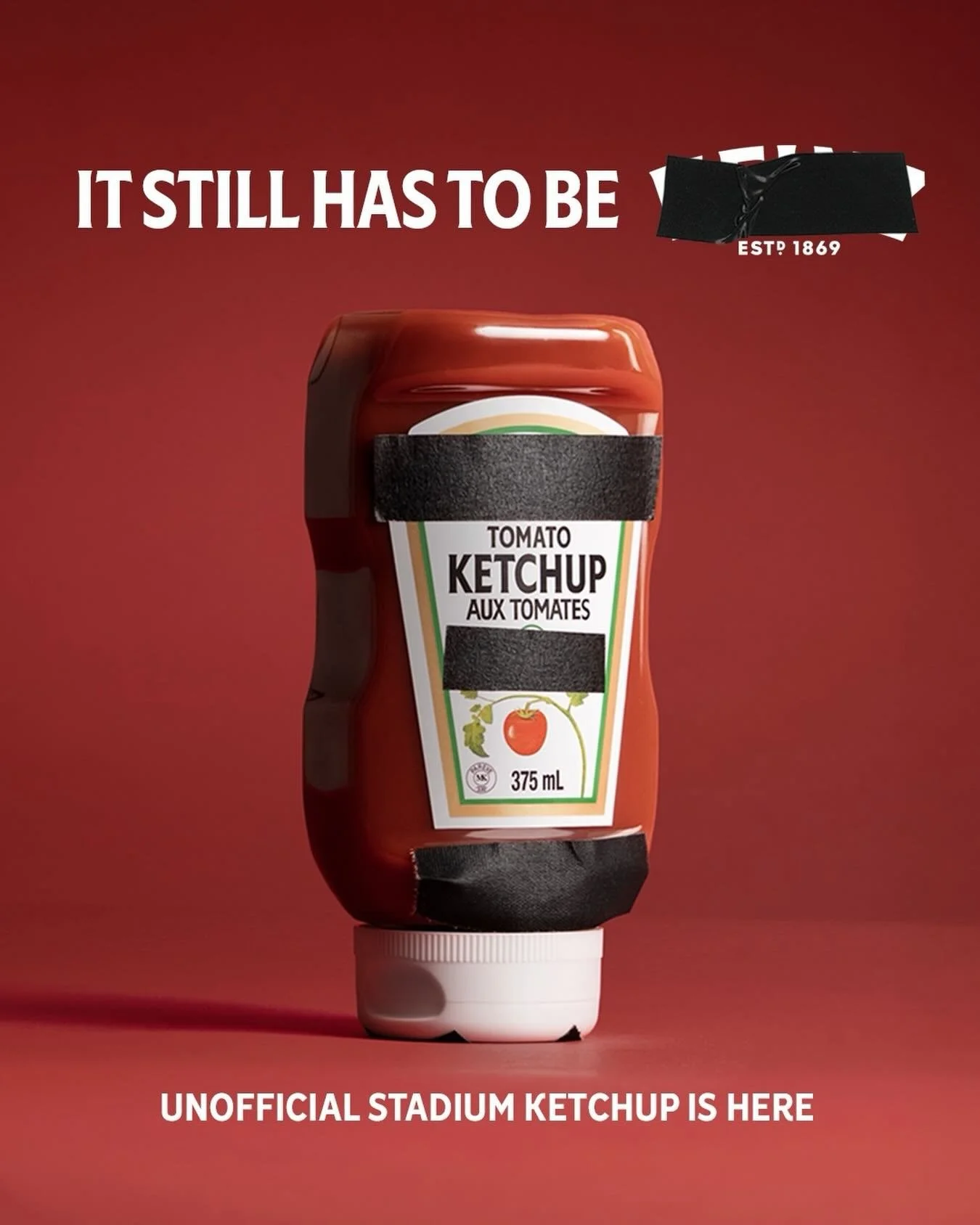
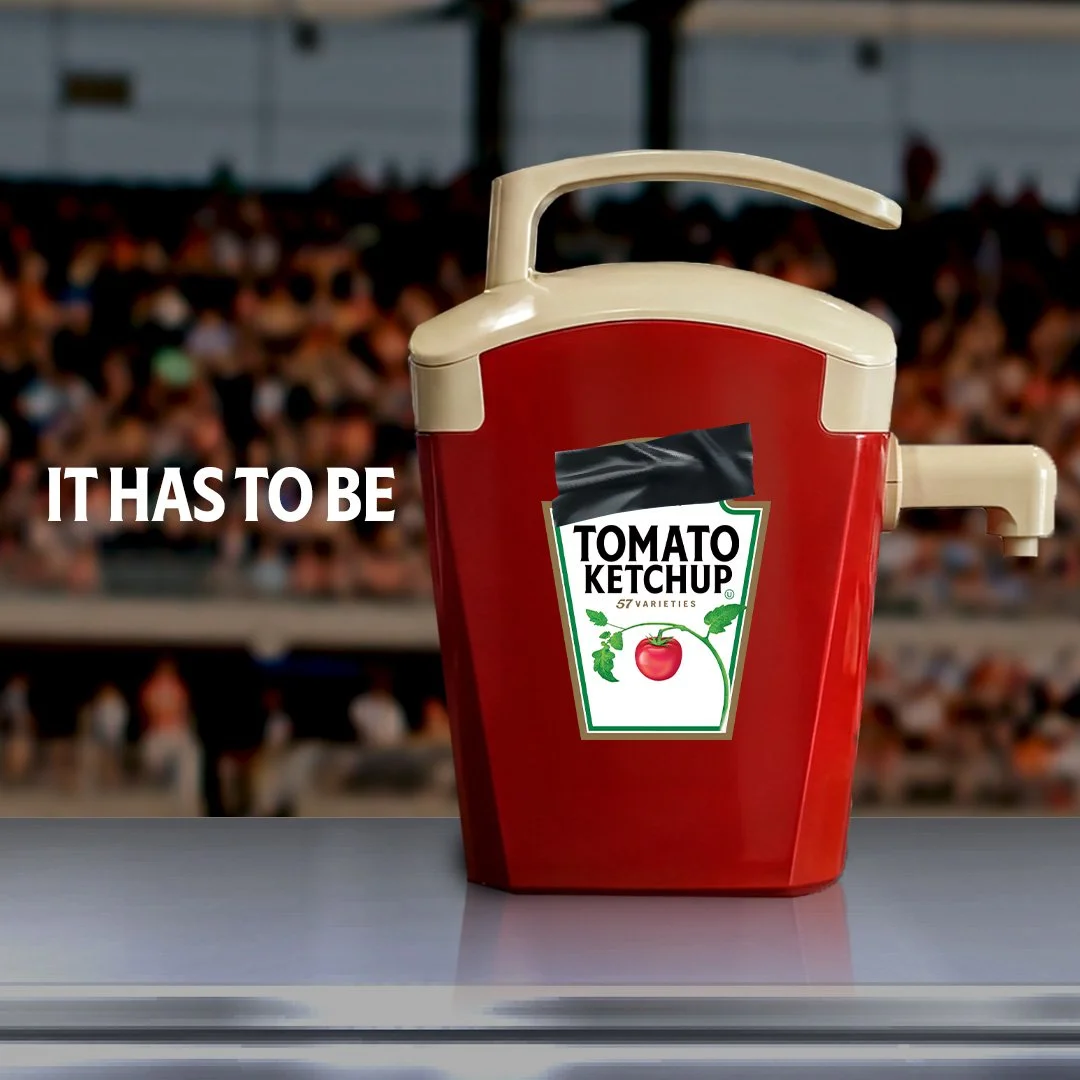
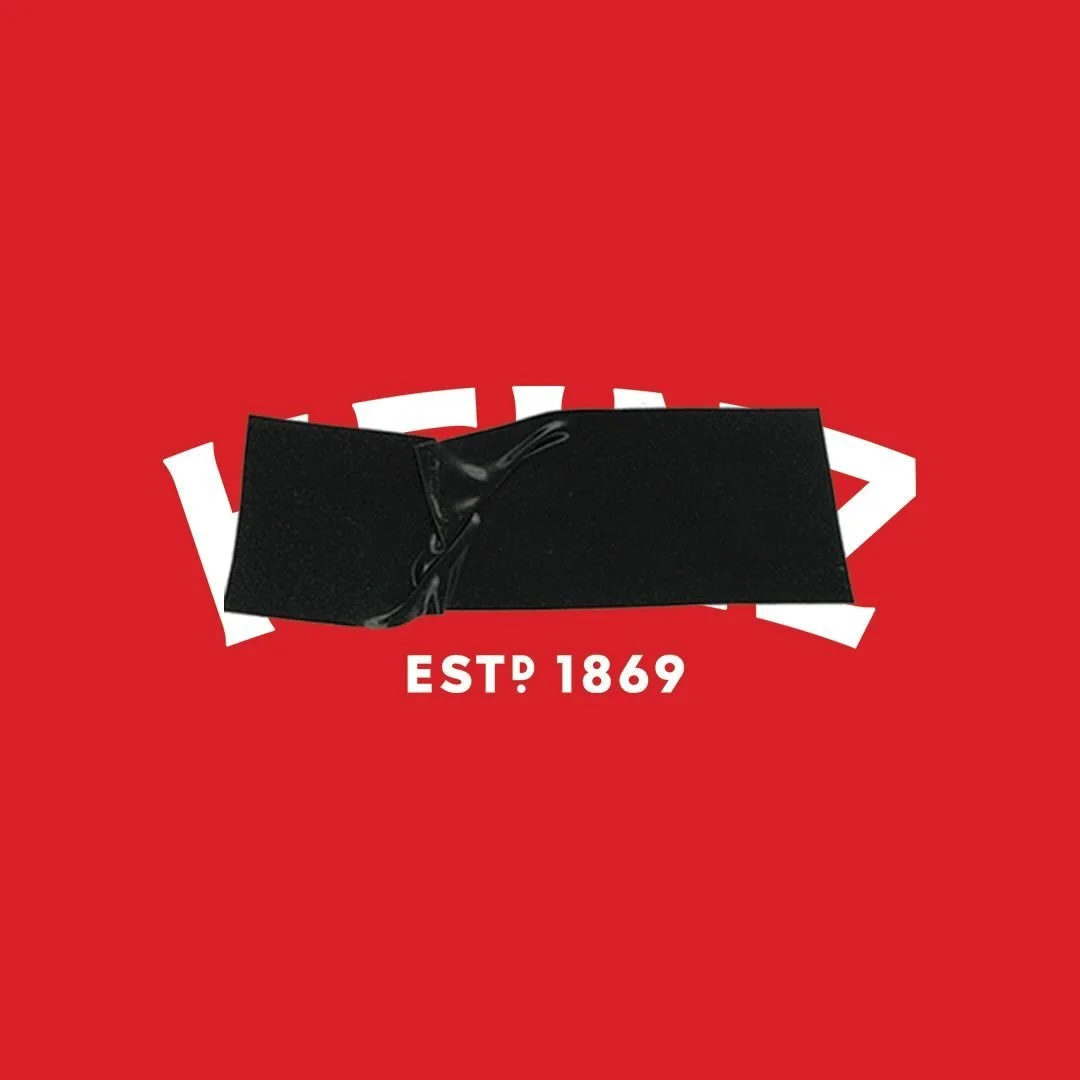
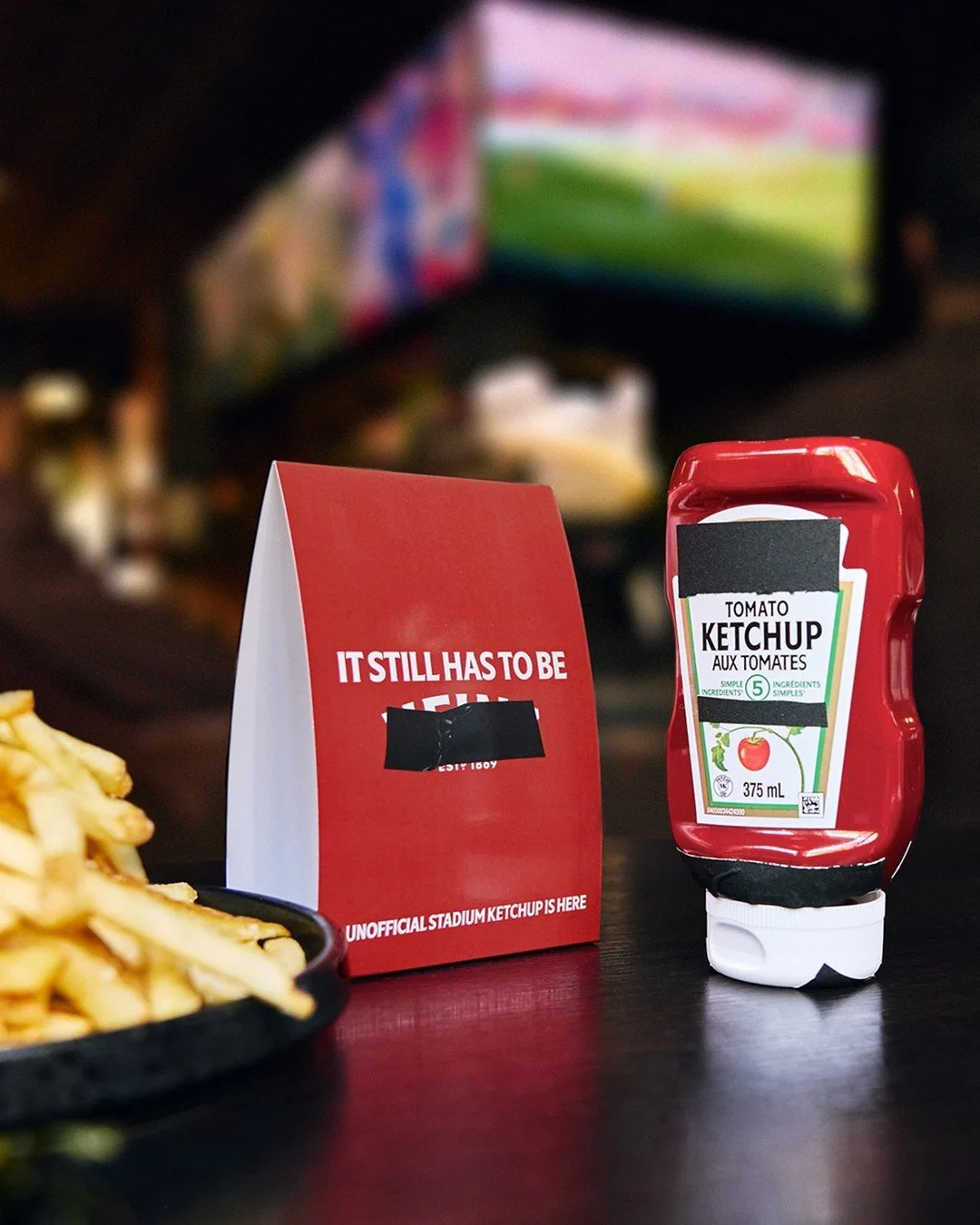
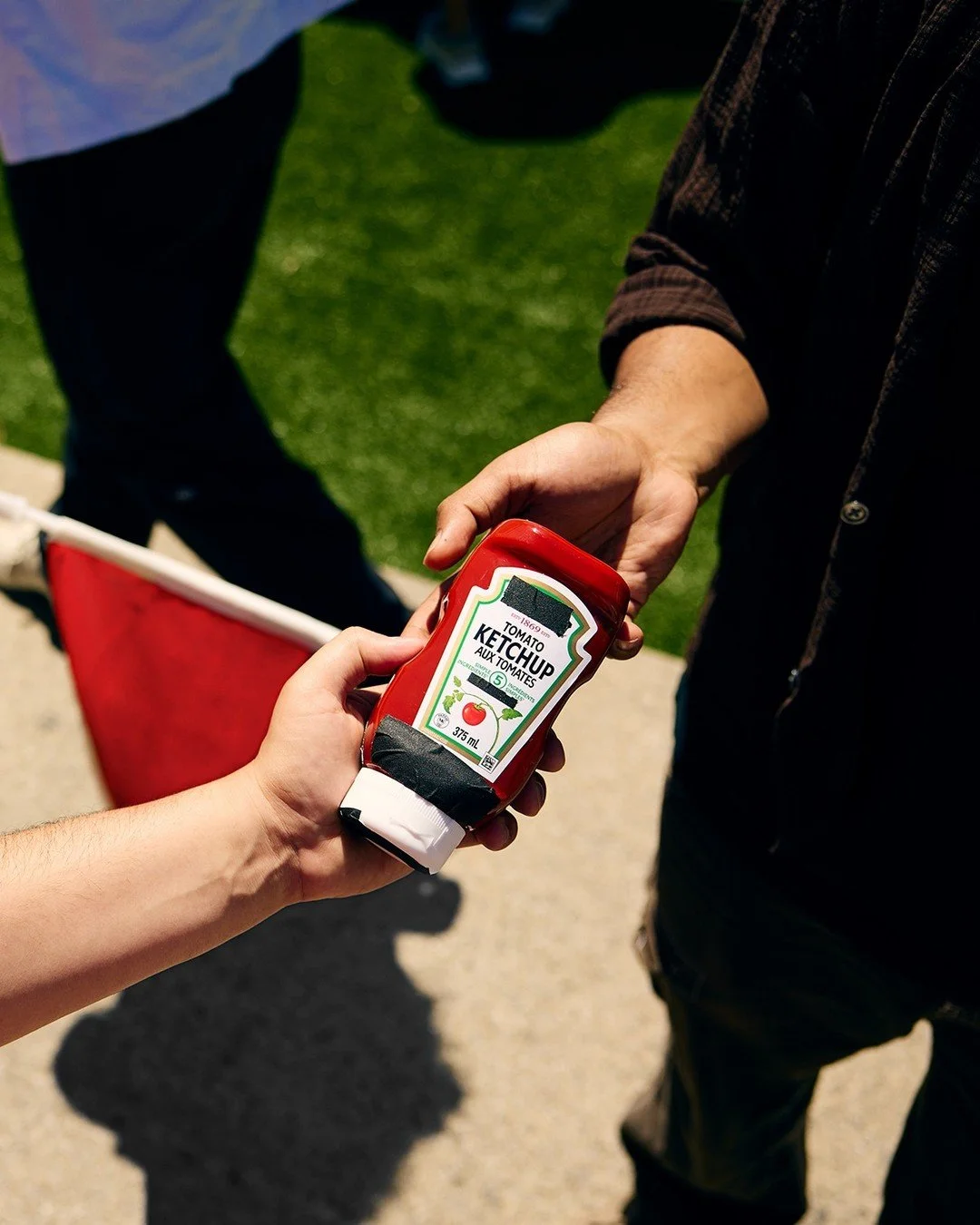
That's the setup. Here's the swing.
Heinz's in-house agency, The Kitchen, released Penalty Packets — oversized condiment packets that hold twice as much as a normal packet, shaped and colored to look like a referee's red and yellow cards. Red for ketchup. Yellow for mustard. Nobody invented that. The colors already matched. They have matched for a hundred years. Heinz just looked. That's the whole idea, and it's worth taking apart, because most of what gets written about campaigns like this misses what actually made it work.
Every brand wants to be in the cultural conversation. Most of them try to buy their way in — sponsorship, rights, a celebrity, a media budget large enough to force the issue. Heinz did something cheaper and harder. It found a place where the culture already looked like the brand.
The timing helped. This tournament has seen an unusual number of red cards — thirteen handed out by July 5, more than the last two World Cups combined. The symbol was already the story. Fans were already arguing about it. Every match was producing new footage of a ref reaching into his pocket and holding up a red rectangle.
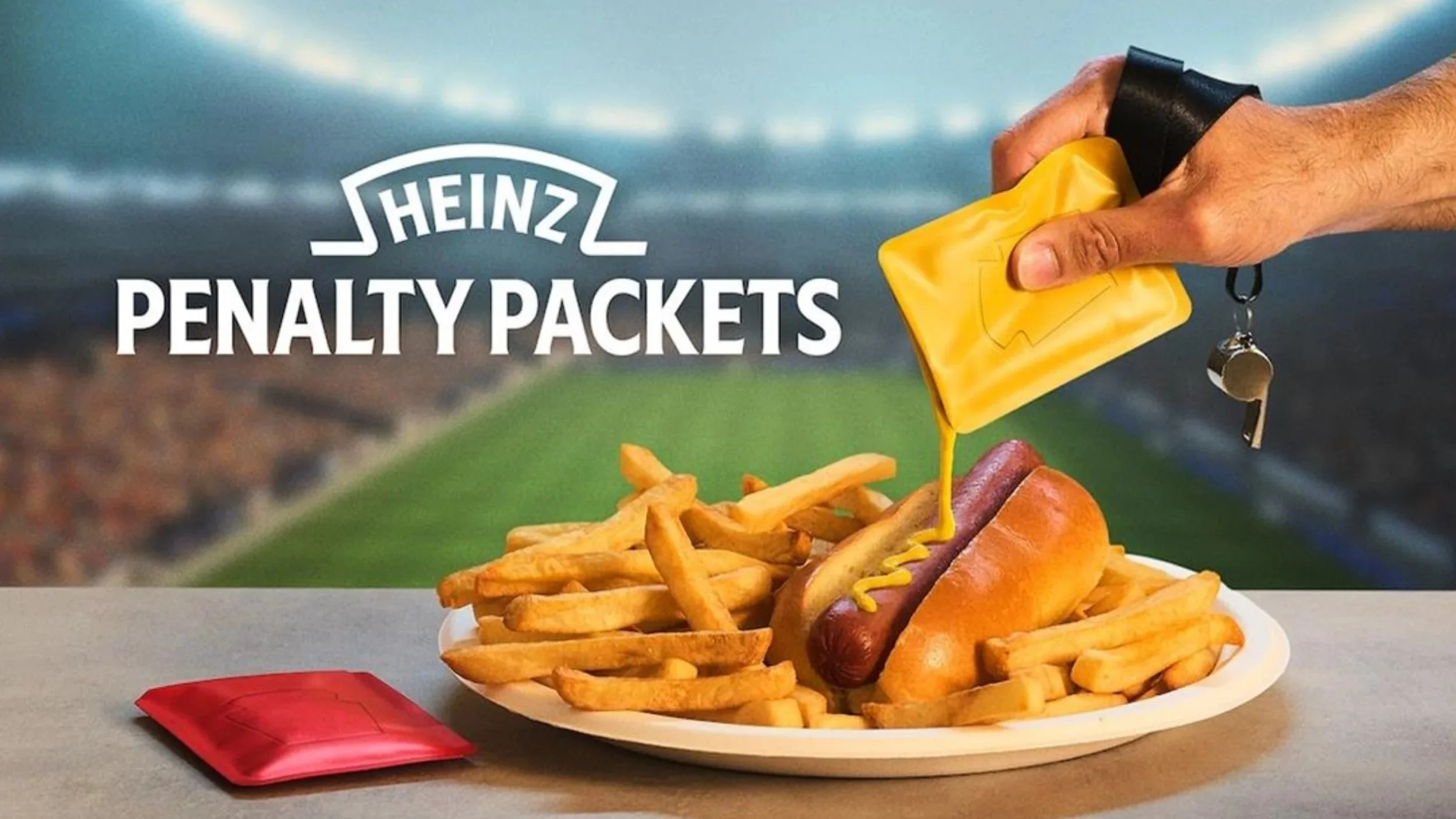
Heinz did not create that attention. It walked into it.
Your brand is probably already adjacent to something your customers care about. A color. A shape. A gesture. A local ritual. The work is noticing it, not manufacturing it. Manufacturing is expensive, and it reads as manufactured. Noticing is free, and it reads as clever. Most brands never do this because noticing requires paying attention to your customers' world instead of your own product. That's an uncomfortable trade for many marketing teams.
Here's the second thing Heinz got right, and it's the part most write-ups skip. The packets don't just look like penalty cards. They hold twice as much sauce. One packet is never enough. Everybody knows this. Anyone who has ever ripped open a single ketchup packet at a stadium and stared at a full order of fries knows this. Heinz has been hearing it for years. So the campaign isn't a message about a product. The product is the message. There's no ad explaining the joke, because the object explains itself the moment it's in your hand.
Go read your reviews. Read your DMs. Read the comments you scroll past. Somewhere in there is a complaint people have made so many times they've stopped expecting anyone to fix it. Fix it. Then make the fix the campaign. This is not a content strategy. It's an operations decision that happens to market itself. Those are the cheapest campaigns you will ever run, and they're the only ones your competitors can't copy in a week.
The details are important. A box of Penalty Packets costs $1.57, which is the 57 on the Heinz bottle. Each box has one red, one yellow, and a few regular-sized packets thrown in as "substitutions" — the soccer term for swapping a player out mid-match. Nobody has to explain any of that. If you know, you know. If you don't, the packets still work.
That's what a fully formed idea looks like. It has layers, and none of the layers are load-bearing. Miss the $1.57 and the product still makes sense. Miss the substitutions gag and the product still makes sense. Catch them, and you feel like you found something. When the core idea is right, the details write themselves and your audience finds them without help. When the core idea is thin, you end up explaining. If your campaign needs a caption to make sense, the campaign is the caption.
There's a lazy read of this campaign going around, and it's worth killing before it spreads. The lazy read: Heinz gave up control, let the community drive the creative, and became a "community-first brand." That's not what happened. The Kitchen designed a physical product. Heinz set the price. Heinz built the microsite. Heinz made it limited-time. Heinz cut the social video showing people red carding an unsauced burger. Heinz issued the hashtag. Fans got exactly one job: hold up a packet like a ref, then sauce your food, then post it. That is not surrendering the brand. That is directing. Heinz built a very small, very specific, very funny stage and invited people to stand on it.
"Let the community take over" is bad advice. What actually works is giving people one specific, easy, slightly ridiculous thing to do. Not "engage with us." Not "share your story." One gesture, one hashtag, one prop. Ambiguity kills participation. Specificity creates it.
Running this at your scale
You don't have The Kitchen. You don't have a microsite budget. Fine. The mechanics still hold.
1. Find your coincidence. What object, color, or gesture in your customers' daily life already looks like you? Not a metaphor you'd put in a deck — something physically present in their world. Look at what's already in the frame when someone photographs your product.
2. Find the complaint. The one people have stopped bothering to make because they assume it's just how things are. It's in your reviews. It's in the comments. It's usually about size, wait, packaging, or a step that shouldn't exist.
3. Make the fix physical. A packaging change. A menu item. A card in the box. Something someone can hold up and photograph. Physical objects travel better than posts, because a post is content and an object is proof.
4. Give people one action. One gesture. One hashtag. Make it stupid enough that doing it feels like a joke you're in on, not a favor you're doing a brand.
5. Don't buy the moment. Stand next to it. Heinz didn't buy the World Cup. It stood next to the World Cup holding something red.
Most local businesses believe they're priced out of cultural moments. The tournament, the festival, the season, the trend — that's for brands with real budgets. Heinz just proved otherwise, and Heinz has a real budget. They didn't use it. They spent on a product run and a landing page and let a coincidence do the media buying. You are not priced out. You're waiting for permission that isn't coming.
Go find the thing that already looks like you.