Norwegian Lost the Match. It Won the Marketing.
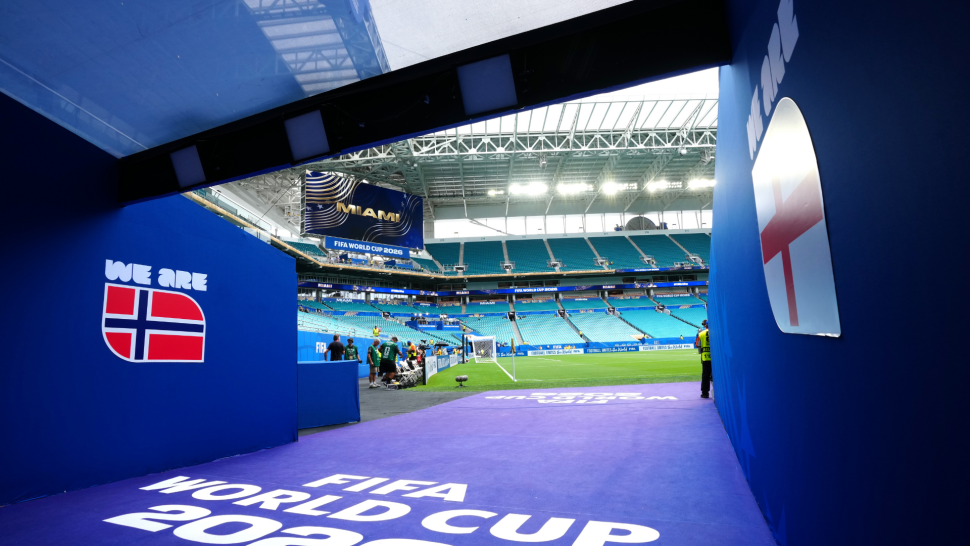
Here's the setup. Ahead of the World Cup quarter-final between Norway and England, Norwegian — the airline — tagged British Airways on Instagram with a dare:
"Hey @british_airways, do you wanna make a bet? If Norway wins, you have to switch to our logo on Instagram on Sunday. And vice versa. Deal?"
Neither airline is a World Cup sponsor. Neither paid FIFA a cent. But both were about to be everywhere the tournament was.
British Airways — a famously buttoned-up flag carrier — had two options. Ignore it and look like the stiff who can't take a joke. Or play. They played: "Don't make bets you can't win." Then, "Challenge accepted."
The stakes were set. The airline of the losing nation swaps its Instagram profile picture to the winner's logo for 24 hours.
Then the internet showed up to watch.
An ad asks you to watch. A bet asks you to pick a side.
The second you read "if Norway wins," you have a team — one that has nothing to do with football and everything to do with wanting to see a giant airline eat its own logo. That's not an audience. That's a crowd at a fight.
Norwegian understood something most brands miss: people don't share ads, they share stakes. Nobody forwards a clever product post. Everybody forwards "wait, these two airlines actually agreed to this."
And they took the stakes seriously enough to make them real. A Norwegian employee flew to London, shook hands with BA, and the two swapped USB drives carrying each other's logos. That detail is the tell — they treated a social bet like a signed contract, and the commitment is what made it worth watching.
If your content can be watched passively, it will be. If it forces a small choice — pick a side, guess the outcome, take the dare — people lean in. Give your audience something to be on the side of and then commit to it hard enough that they believe you'll follow through.
Once the bet was live, the other airlines showed up on their own. And once Norway lost and Norwegian actually changed its logo, they showed up again.
Malaysia Airlines: "Respect to @flynorwegian! Most airlines need six months and 14 approvals to change a logo." Qantas, Virgin Australia, Kenya Airways, and Wonderful Indonesia all piled into the comments. One tourism account called it "the real emergency landing."
Nobody paid for any of that. Norwegian built a stage with one post, and half the aviation industry walked on to perform for free — twice, once for the dare and once for the payoff.
The best campaigns leave room for other people to add to them. A finished, sealed post can only be liked. An open situation — a live bet, an unresolved outcome — invites contribution, and every contribution is free distribution into a new audience.
Norway lost. Bellingham scored twice, England won 2-1 in extra time, and Norway went home in their first-ever World Cup quarter-final.
This is the moment the campaign could have died. The easy move — the move most brands make — is to go quiet after a loss. Post the obligatory "great game," delete the trash talk, move on, hope nobody screenshots it.
Norwegian did the opposite. It changed its profile picture to the British Airways logo, exactly as promised. It posted a clean graphic — "It's coming home / Well played, England & British Airways" — and wrote, "While the tournament is over for us, this friendly bet will forever live in all our hearts." Then it went into BA's comments to thank them for being "cool enough" to accept the bet and asked to visit their HQ. Then it turned the loss into a flash sale on flights to "Norwenglish" destinations.
BA answered in kind: "We love this new look on you." "Rivals for 90 minutes, friends forever."

Norwegian lost the match and walked away as the brand everyone was talking about. Because the follow-through was the campaign. The bet got attention; the gracious loss earned respect. One commenter summed the whole thing up: "I wasn't watching England vs Norway. I was watching British Airways vs Norwegian."
How you handle the downside is the brand. Anyone can post when they win. The character shows when you lose in public and pay up with a smile. If you're going to make a bet, the plan for losing matters more than the plan for winning — because losing well is rarer, and people remember it.
Worth remembering: none of this happens if British Airways ignores the first post. One airline talking to itself isn't a feud. The tension that made people check back existed only because both sides committed to the bit.
Norwegian couldn't have made this alone. It needed a rival willing to look slightly undignified in public — and it made the bet safe enough to accept. Worst case for BA was changing a profile picture for a day. Low stakes, high entertainment.
If you want to run a rivalry play, you need a real counterpart who'll swing back, and you have to make it easy for them to say yes. A challenge that would embarrass the other side gets ignored. A challenge that lets them look like a good sport gets accepted.
You don't have a global tournament to stand next to every week. The mechanics still hold.
Find a real rival or a real moment. A competitor across town, a category cliché everyone's sick of, a local event people already care about. The energy has to already exist — you're borrowing it, not building it.
Make the stakes small and funny. Nobody joins a bet that could actually hurt someone. Norwegian risked a profile picture. Keep it light enough that the other side wants to play.
Make it a spectator sport. The bet worked because there was an outcome to wait for. Give people a reason to check back — a result, a reveal, a payoff with a date on it.
Commit like it's real. The USB-drive handoff sold it. Treat your bit seriously, and the audience takes it seriously.
Plan how you lose. Half the appeal is watching who pays up. If you make a public bet, be ready to actually wear the logo — and do it with a grin. The follow-through is the content, and losing well beats winning quietly.
Cultural relevance is supposed to cost money — sponsorship, media, a name on a stadium.
Norwegian spent nothing, lost the match, and still got the whole aviation industry to advertise for it on the biggest sporting weekend of the year. It did it with one Instagram post, a rival willing to play, and the nerve to lose in public without flinching.
The moment was already there. Norwegian just found a way to stand in front of it holding a dare — and then honored the dare when it went the wrong way.
Stop looking for a platform to buy. Find the rivalry that already exists in your customers' world, and be the brand with the guts to lose well.