Everyone Markets the Win. Uber Showed Up for the Loss
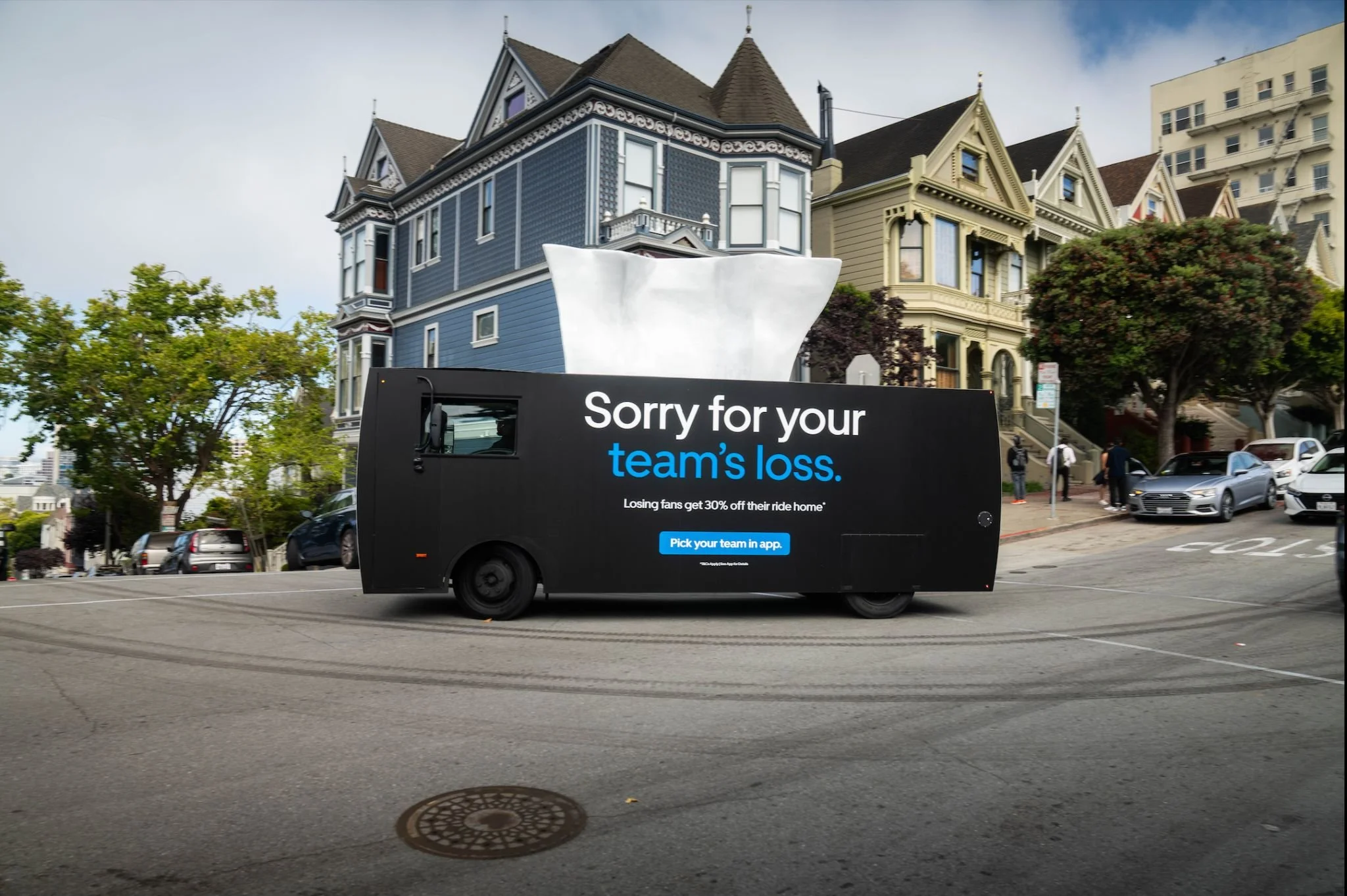
When a team wins the World Cup, every brand on earth crowds into the same photo. Congratulations graphics. lag emojis. “What a match.” It's the loudest, most crowded space in marketing, and almost none of it gets remembered.
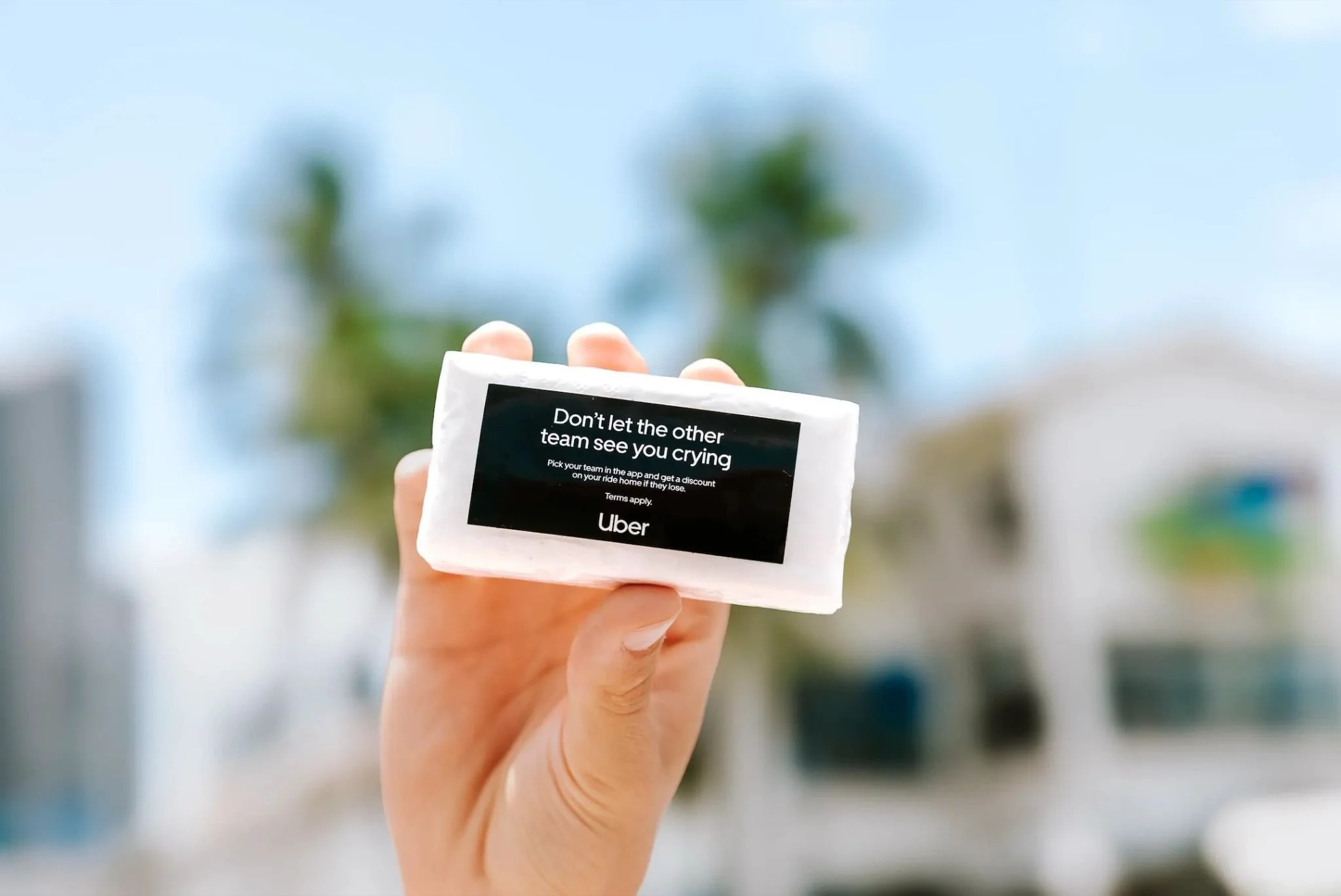
Uber went the other way. It built a branded tissue truck and sent it to console fans whose teams just got knocked out — parking near packed bars and fan festivals to hand out tissues to the heartbroken. When England exited the 2026 World Cup, the truck had a fresh, very vocal crowd.
Everyone else was fighting over the celebration. Uber had the disappointment all to itself.
That's the insight worth stealing. But how Uber did it matters more than the tissue truck, and it's the part most write-ups skip.
Winning is crowded. Losing is wide open.
Every fan of every eliminated team is having a real emotional moment, and no brand is talking to them, because talking to losers feels off-brand. That squeamishness is exactly why the space is empty — and space is where attention is cheap, and memory is strong.
Uber didn't try to out-shout the celebration. It found the room nobody else wanted to stand in and owned it completely.
The moment everyone is posting about is the moment nobody will remember you for. Look for the adjacent emotion no one is addressing — the frustration, the wait, the letdown, the boring-but-real part of your customer's day. Showing up there, where it's quiet, beats being the 400th brand in the loud room.
Here's the part that makes it smart, not just sweet.
The tissue truck is the spectacle. Underneath it is a mechanic called "Defeat Deals." Fans pick their team in the Uber app ahead of time using a “Choose Your Team” feature. The moment that team is eliminated, they automatically get 30% off a ride — up to $7, one time, team locked in before they lose. The on-truck copy tells fans to leave the packed bars and the heartbreak behind — which is to say, book a ride.
So the emotion and the transaction are the same gesture. The tissue makes you feel something; the app makes you convert. And "Choose Your Team" quietly collects a preference Uber can use long after the tournament.
A feel-good moment that dead-ends is a missed opportunity. If you're going to show up for your customer's emotional low, give the goodwill somewhere to go — an offer, a code, a next step baked into the gesture itself. Warmth and a call-to-action aren't opposites. The best reactive marketing fuses them.
The draft version of this story is "Uber reacted fast." That's not what happened, and the truth is more useful.
"Sorry for Your (Team's) Loss" was a full framework built in advance, designed to fire on any team's elimination across the whole tournament. The truck toured nine host cities and two fan festivals. The app deal works for whoever loses. England's exit didn't require a scramble — the system was already running, waiting for a trigger.
That's the actual lesson. Uber didn't win because it moved fast on the day. It won because it built something ahead of time that was ready for every possible outcome, so it never had to guess which team would break its fans' hearts.
You don't need a heroic same-day turnaround. You need a framework built before the moment, flexible enough to fire on whatever happens. Decide the gesture, the offer, and the template now — while it's calm — so that when the moment comes, you're pressing a button instead of building from scratch. Preparation beats speed.
You don't have a fleet of tissue trucks. The thinking is free.
Find your customer's "loss." The frustrating, disappointing, or tedious moment in your category that every competitor politely ignores. That's your open space.
Show up with something human. A helpful gesture, a small kindness, a joke that says "we get it." It doesn't need a budget — it needs to feel real.
Attach a soft next step. A code, an offer, an easy action folded into the gesture so the goodwill converts instead of evaporating.
Build it before you need it. Decide the trigger and the template now. When the moment lands, you execute — you don't invent.
Every brand wants to be in the winner's photo. It's the most expensive, most forgettable real estate in marketing.
Uber built something for the losers — the people nobody else would talk to — and tucked a discount inside the kindness. It didn't scramble to do it. It prepared a framework that was ready to console whoever lost, then let the tournament pull the trigger.
Stop chasing the win everyone's crowding around. Find the quiet moment your customers are actually feeling, show up there with something useful, and have it built before you need it.
The loud room is full. The quiet one is wide open.