One movie, a hundred brands: how Spider-Man is everywhere at once.
Spider-Man: Brand New Day hits theaters July 31, and Sony’s marketing isn’t a campaign so much as a spiderweb — dozens of threads reaching into places a movie ad normally never goes.
There's a Samsung tie-in built around its foldable phone. An official apparel and performance collection with Marvel Studios. Collaborations running through tech, food, fashion, gaming, and retail. A digital love letter to New York City — the character's home — timed to ticket sales. And a run of fan events building toward the premiere.
No single billboard is doing the work. The reach comes from being in a hundred places at once, each one pulling a different audience toward the same July 31 date.
That's the strategy worth studying, and it scales down further than you'd think.
Most brands put their budget behind one big swing — a hero ad, a single launch moment — and hope it lands. Spider-Man does the opposite. It shows up in your phone store, your clothing brand, your game, your feed. Each touchpoint is small. Together they're inescapable.
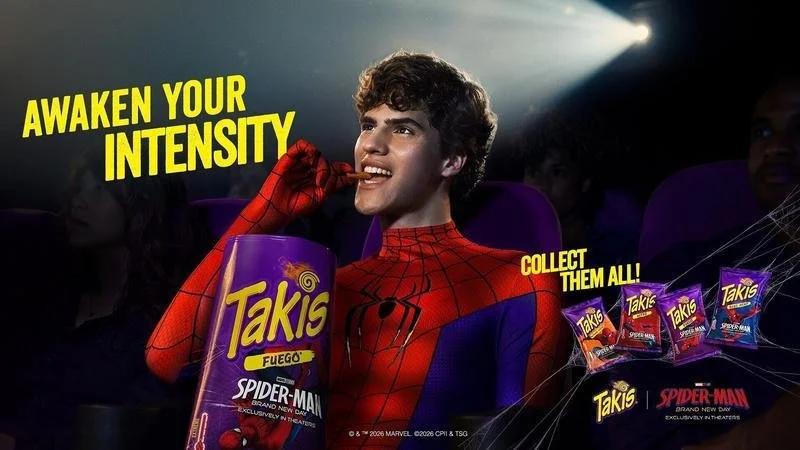
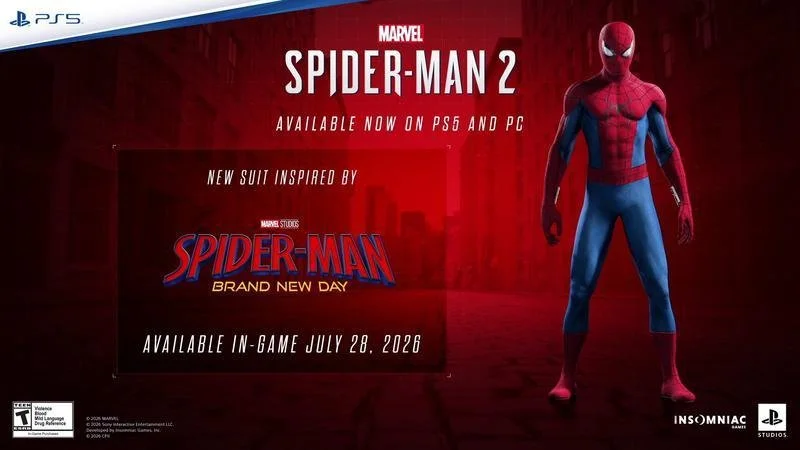



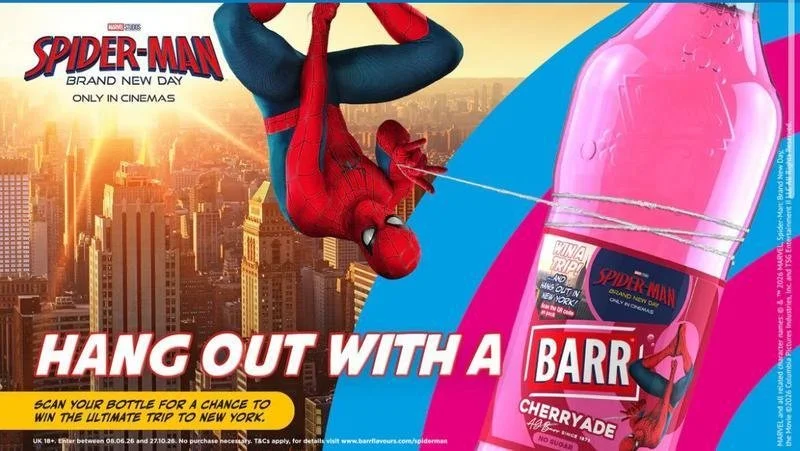
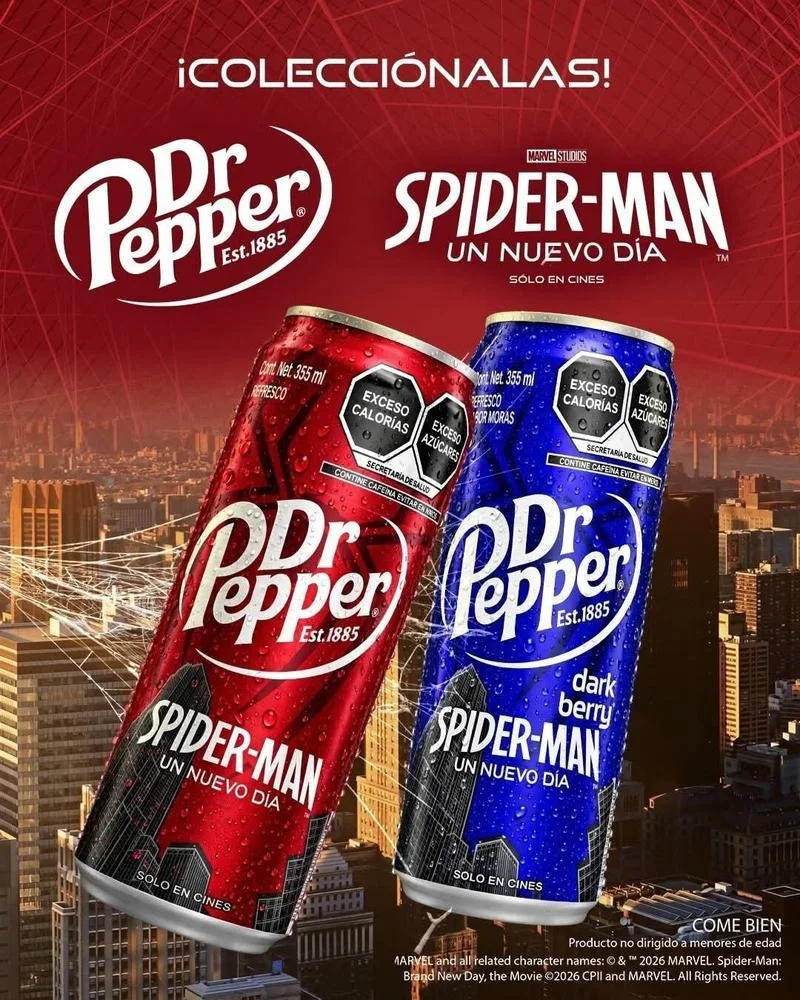


The reason this works: people trust a thing they encounter in several different contexts more than a thing that shouts at them once. Seeing Spider-Man on a Samsung display, then on a shirt, then in a game, builds a sense that the film is everywhere — which reads as important — without any single ad having to carry that weight.
You don't need one perfect campaign. You need to show up in several of the places your customer already spends time, pointing at the same goal. Five small, consistent touchpoints usually beat one expensive one, because presence compounds and a single ad doesn't. The smartest thread in the Spider-Man web is the collaborations. Every partner — Samsung, the apparel labels, the game studios — brings its own built-in audience. The film borrows all of them at once.
Sony isn't paying to build each of those audiences from scratch.It's trading on Spider-Man's pull to get access to audiences its partners already spent years assembling. Both sides win: the partner gets Spider-Man's shine, the film gets the partner's customers.
This is the most copyable move on the list, and it costs almost nothing. Find the businesses that share your customer but don't compete with you — the gym near the smoothie shop, the wedding photographer and the florist, the barber and the sneaker store. Cross-promote. Each of you introduces the other to an audience you'd otherwise pay to reach. A local "web" of five non-competing partners is the small-business version of what Sony just built.
The other real thread is participation.Spider-Man's campaign includes fan events — gatherings built around the release where people show up, dress up, and post. The film gives fans an occasion, and the fans supply the content.
That's the honest version of "let your community market for you." It doesn't happen by accident. You must build the occasion — a place, a date, a reason to gather — and then people bring their phones and do the rest.

If you want user content, host the moment that creates it. A launch night, a workshop, a small event, a reason for customers to gather and share. You provide the occasion; they provide the reach. But the occasion has to come first — you can't ask for the content without building the reason.
You don't have Spider-Man's leverage. The mechanics still hold.
Trade the one big swing for five small touchpoints. Show up in a few places your customer already is, all pointing at the same goal.
Build a partner web. Find non-competing local businesses that share your customer. Cross-promote. It's the cheapest reach you'll ever get.
Host the occasion. If you want people posting about you, give them a reason to gather and something worth photographing.
The lazy read on a Spider-Man launch is "we could never afford that." True — you can't buy a Samsung deal or a global tour.
But the actual engine underneath isn't budget. It's structure: show up in many places at once, borrow audiences through partners, and give fans an occasion to amplify. Every one of those has a small-business version, and the partner web especially costs almost nothing but coordination.
You can't take over a city. You can spin a web. Start with five partners who share your customer and don't compete with you.